
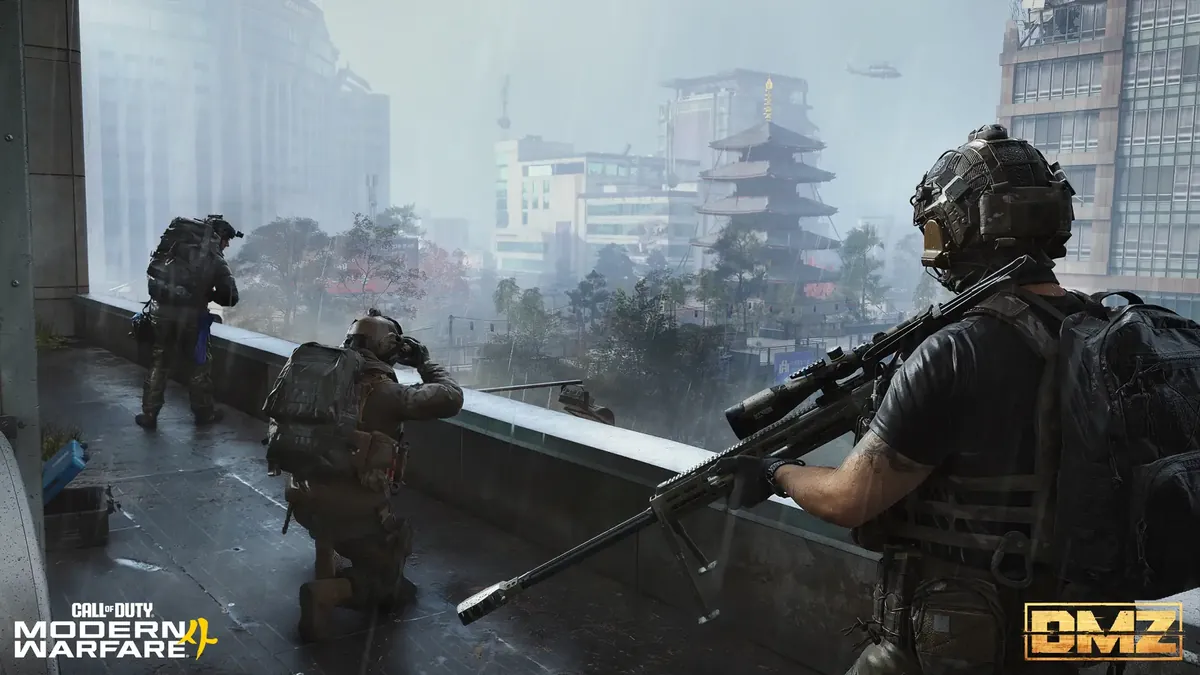
The new MW4 DMZ extraction experience is a major feature of Call of Duty’s next game.
Modern Warfare 4’s biggest addition isn’t just its story, it’s also a whole new way to play the game. The upcoming release will launch with an entirely different mode called DMZ (Demilitarized Zone), which turns Hajin into an extraction experience where you’ll fight for loot against AI enemies as well as rival players.
This article explains how that works, including what FOB stations do, the four main activity types in DMZ, how to craft gear at your Forward Operating Base (FOB) and why it’s important to know about Medkits.
This article focuses on what we already know from official sources rather than any unconfirmed gameplay footage or hands-on reports.
What Is MW4 DMZ?
DMZ stands for Demilitarized Zone. In this game, you’ll be dropped into Hajin with your squad to complete objectives like looting or fighting enemies before trying to extract back out.
The MW4 DMZ FOB is where you prepare for deployment. It’s your base that lets players store loot and craft gear between runs.
When Will MW4 DMZ Launch?
DMZ Early Access will launch on October 20 for digital preorders or prepurchases of the Standard Digital or Vault Edition. That is three days before Modern Warfare 4 launches on October 23.
How Does DMZ Work?
When you’re deployed in Hajin, your goal is usually to complete objectives like looting or fighting enemies. You’ll also need to protect yourself from AI threats and rival players who want the same loot as you. Once that’s done, it’s time for extraction.
Here are some other things worth knowing about how DMZ works:
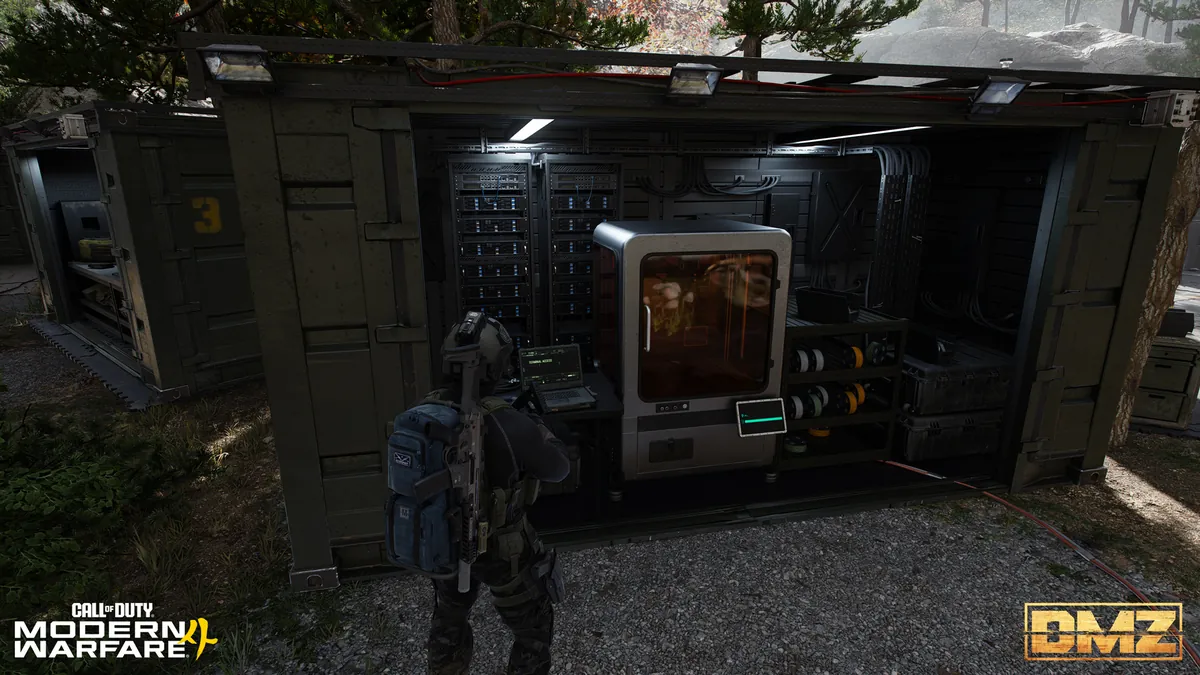
- You can craft equipment at the 3D printer to use in Hajin, and it’s where you use unlocked crafting recipes.
- Using Medkits will fully restore your health.
Choosing Your Route Through Hajin
Hajin’s vast landscape is divided among 13 major points of interest (POIs), each serving as a strategic hub for mission objectives and loot extraction. These include key locations like Chang-san Air Base, Mirae General Hospital, Imjin Farmland, NuriGO Mall, and the Haneul Nuclear Reactor. To cross Hajin effectively, utilize your Tac-Map’s letter-number grid to pinpoint destinations such as D7 (Imjin Farmland). Service buildings like Clinics, Police Stations, Gas Stations, and Fire Stations are marked across the map; while they offer essential supplies, their contents remain unpredictable.
Story Missions: Structured Adventures
The most linear experience in DMZ is Story Mission deployment. These missions begin with a briefing screen that outlines objectives, often involving high-value targets or narrative-driven tasks. Completing these stories rewards you with premium loot and cash, though replaying them offers additional opportunities to refine your loadout.
Dynamic Operations: Flexibility Meets Reward
For those seeking more autonomy, Dynamic Operations provide a flexible framework for exploration. Before deployment, choose from ground entry (free), Polaris Dagor A1 ($5k DMZ Cash required), LTV ($25k), or Helicopter ($50k). Each vehicle offers distinct advantages: the lightly armored Polaris is ideal for rapid movement, while the heavily armored LTV provides protection against hostile forces. Side Ops include activities such as repairing a damaged truck to use as a vehicle.
Free Roam: Exploration Unbound
Outside of mission-driven deployments, Free Roam allows unrestricted exploration across Hajin’s terrain. Ground entry remains free but random; however, Polaris Dagor A1 and LTV require cash or progression milestones. Helicopter deployment costs $50k, offering a strategic advantage with one squad member piloting while others ride as passengers.
DMZ Orders: Narrative Guidance
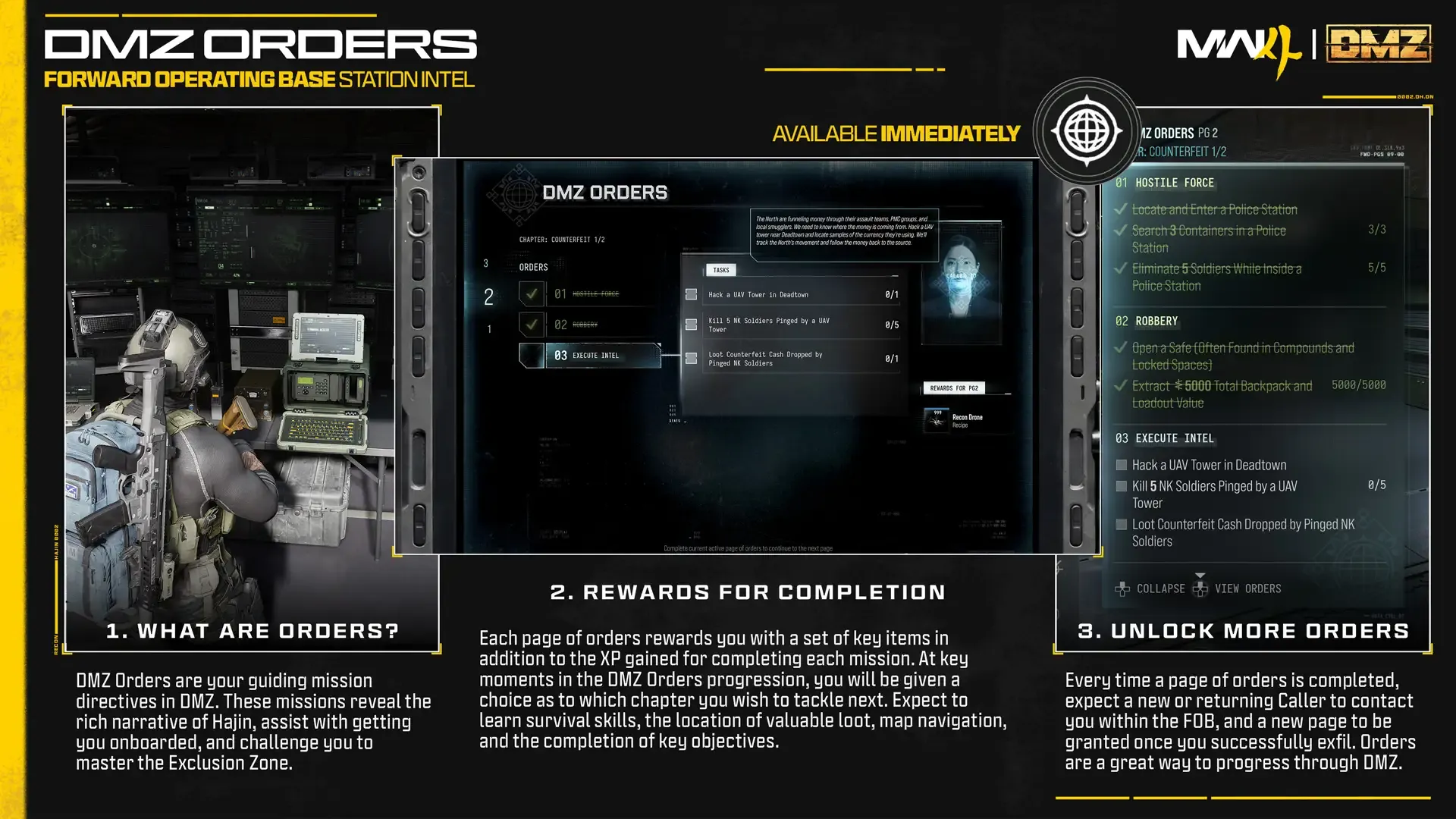
Upon arrival at your Forward Operating Base (FOB), DMZ Orders serve as narrative guides, teaching map navigation and rewarding XP, resources, or cash. These orders are organized into Pages; completing each unlocks a reward.
Lieutenants & Commanders: High-Risk Rewards
In Hajin’s hostile environment, encountering Lieutenants and Commanders demands caution. Defeating a Lieutenant grants access to its Dog Tag Case, but Boss Board progress requires extracting it safely. The Boss Board provides intel on active lieutenants for a single deployment, but Commander information requires no purchase.
Supply Drops & Threat Levels
Completing Dynamic Operations during a deployment increases Supply Drop quality from Common to Uncommon to Rare. Hostile forces range in threat level – some ignore players entirely while others engage aggressively if spotted. The HUD’s Threat Level meter reflects danger, with sustained combat triggering reinforcements.
Side Ops: Minor Missions for Major Rewards
Small-scale Side Ops like repairing a truck provide XP or resources; climbing a damaged radio tower reveals a nearby Lieutenant’s general location. These activities balance low-risk exploration against the threat of hostile patrols, making Hajin both rewarding and perilous.
With these strategies in mind, Hajin’s DMZ offers players diverse ways to engage its dynamic landscape – whether through structured missions, flexible deployments, or high-stakes encounters with Hajin’s elite forces.
How Does Extraction Work?
Extraction is how you leave Hajin after finishing an objective. You’ll need to find a marked extraction point, call the Twin Heli and board it when it arrives. You can also use alternative methods like Fulton or Flare.
Here is what happens after successful exfil:
- You’ll get a report on how well you did in Hajin and where there’s room for improvement
Preparing at the FOB
The Forward Operating Base (FOB) serves as your hub in DMZ for crafting gear and upgrading your base. You’ll find several stations, some unlocked through progression:
- Operators: Select an Operator for one of two starting Active Duty slots; progression unlocks a third Operator slot. Vault Edition players start with three slots instead of two. Each has distinct Dog Tags and Trait builds, allowing tailored playstyles without sharing traits.
- Stash/Loadout: Manage weapons, armor, consumables, and attachments here before deployment. The Stash holds items for quick access between missions, while Loadouts let you customize equipment sets pre-deployment.
- DMZ Orders & Survival Kits: Complete Orders to earn rewards like extra DMZ Cash; open Survival Kits for loot.
- FOB Vendor (Level 5): Purchase weapons and supplies with DMZ Cash; stock rotates daily for variety.
- Gunsmith (Level 10): Customize your weapon’s optics, attachments, and upgrades using DMZ Cash. Extracted Weapon Manuals unlock repeated purchases of their base type.
- 3D Printer (Level 2): Craft equipment like Bandages or Armor Vests (see below) with permanent FOB upgrades for expanded capacity.
- Dog Tag Case (Level 20): Display Dog Tags from defeated Operators.
Crafting Gear & Upgrading Your Base
The 3D Printer is a key resource, offering recipes that unlock through DMZ progression. Here’s what you can craft:
- Bandages: Restore temporary health while wounded; not permanent healing.
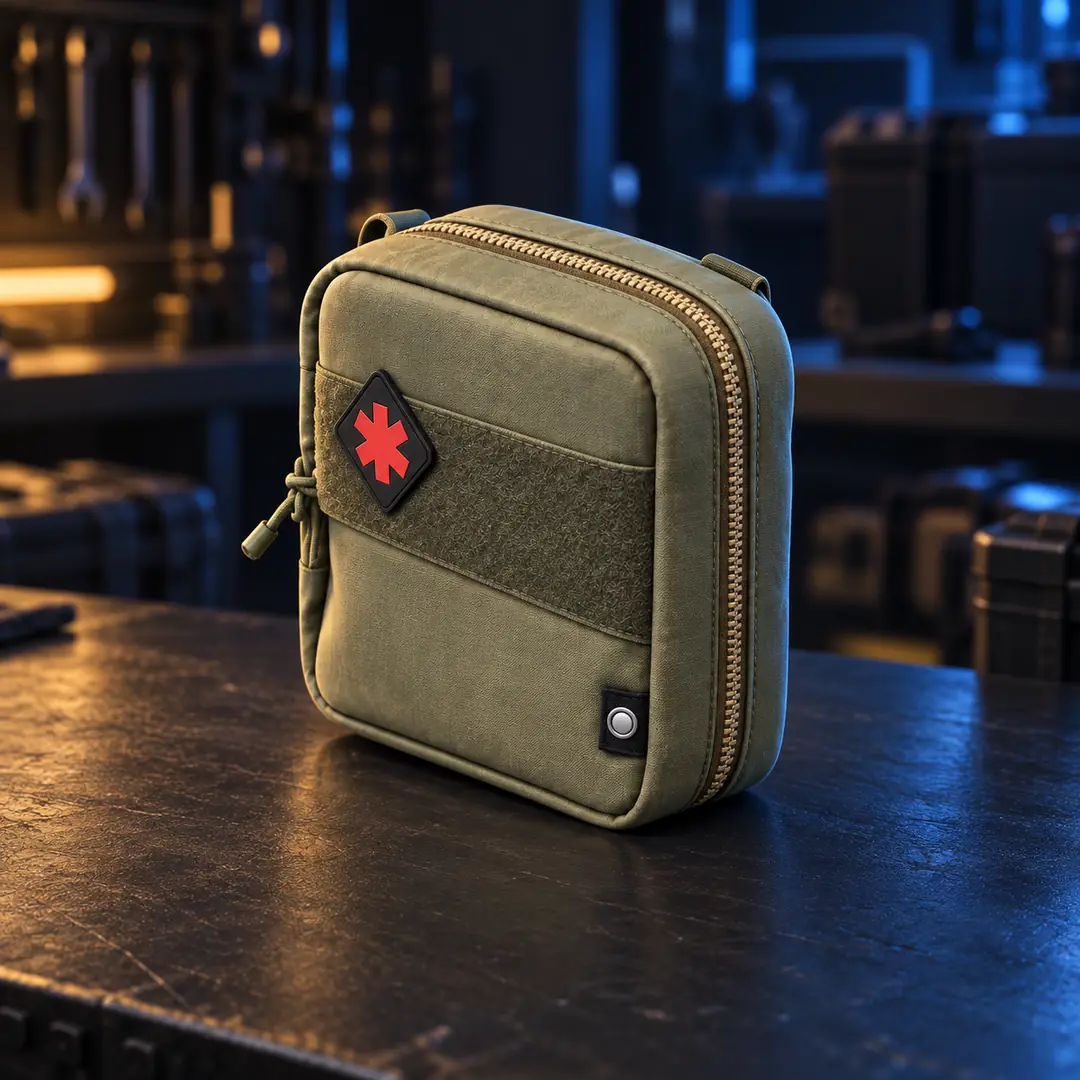
- Medkits: Fully restore your health and re-enable Tourniquet use (see below).
- Armor Vests: Protect against damage with durable upgrades available at higher levels.
To upgrade the FOB, complete recipes to unlock benefits like expanded Stash capacity or reduced recovery costs. Each recipe has specific requirements:
- Synthetics: Pooled Resource for general crafting.
- Chemicals: Pooled Resource for crafting.
- Metals & Biomaterials: Pooled Resource and intact Ingredient, respectively.
For example, the Bandage starter recipe needs 15 Synthetics and 15 Chemicals to craft temporary health restoration while wounded. The Medkit requires more advanced materials like Binding Catalyst and Biomaterials for full wound repair and rearming Tourniquet use.
Upgrades expand your FOB’s capabilities:
- Bank Capacity: Increase stored Cash capacity.
- Stash Expansion: Boost item and weapon slot totals (see below).
- MIA Recovery Discounts: Reduce costs to recover MIA Operators.
- Gunsmith & Dog Tag Case Enhancements: Unlock additional discounts, storage options, or upgrades.
Bandages vs. Medkits
While Bandages restore temporary health during combat, they do not provide permanent wound repair like Medkits. For full recovery and Tourniquet reactivation, use a Medkit.
How Does Health Work in MW4 DMZ?
DMZ has different states for players:
- Downed: You are in Last Stand.
- Wounded: You’re normally at 100 health instead of 150.
Here’s how each of these states works:
- Tourniquet lets players get back up after going down. It won’t fully repair your wound; that requires using the MW4 DMZ Medkit.
- The Possum Trait allows operators to self-revive from death into Last Stand, restoring maximum health once per match. This is different from Tourniquet.
Stash, Backpacks and Loot
- Items: These include things like weapons, ammo or consumables.
- Keys: They open specific loot rooms.
- Secure slots: Eligible items stored here won’t drop if extraction fails.
Here’s how each of these works in practice:
- You can initially store up to 40 general items at a time in your Stash. It also lets you store 12 weapons separately.
- Keys are used for specific objectives like opening locked rooms.
Crafting Gear in MW4 DMZ
The FOB’s printer can craft equipment and upgrade FOB stations using unlocked MW4 DMZ crafting recipes. These require Resources to make, which include Synthetics, Electronics, Chemicals and Metals.
Here are some examples:
- Bandages: 15 Synthetics + 15 Chemicals
- Medkit: 30 Chemicals + 1 Binding Catalyst (an Ingredient) + 5 Biomaterials
- 1-Plate Armor Vest and Small Backpack: 25 Synthetics + 25 Metals each
- 2-Plate Armor Vest: 50 Synthetics + 5 Reactive Metals
- Medium Backpack: 50 Synthetics + 5 Rigid Synthetics
Earning Trait Points and Choosing a Build
In MW4 DMZ, players advance through two separate progression tracks: one for their overall DMZ Player Level (1–70) and another for Operator Dog Tag progression, focused on developing unique abilities via the Trait Tree. Here’s how it works:
Trait Points & Trees
Operators spend their first point in a tree on a random starting Minor Trait from either Warfighter, Scout or Survivalist trees. Unlocking branches requires selecting a Trait in the preceding branch.
Each path has:
- 6 Major Traits: Major branches offer a choice of two.
- 16 Minor Traits within each tree: These are earned by spending Trait Points, with nine selected Traits being the maximum for any single tree (since Operators can earn a total of 18 points).
To unlock new branches in your chosen trees:
- Earn XP to level your Operator’s Dog Tag and receive Trait Points.
- Spend Trait Points to select Traits within unlocked branches.
Operator Prestige
Prestige is an optional advancement path for operators, available only after they’ve earned 18 Trait points (regardless of whether these were spent on any particular trees). The Operator must not be MIA. First Prestige requires the following:
- Two Rare-or-higher weapons with three Attachment slots each
- A Rare or higher Plate Carrier and Backpack
- Four Rare-or-higher Printer Ingredients
- 200,000 DMZ Cash from your Bank
Choosing to Prestige an Operator will reset their Trait points back to zero but grants a permanent random Prestige Trait tied specifically to that operator. This means you can’t carry over any of the previously selected ordinary Traits into this new advancement.
If you dismiss and recruit another operator, they’ll start fresh with no carried equipment or ordinary Traits – though your Stash remains intact for reusing items between operators if desired. Move wanted gear there before Prestige; equipped gear is sacrificed. Permanent Prestige Traits stay tied to their Operator.
What Happens When Your Operator Goes MIA?
Operators in DMZ can become Missing In Action (MIA) when killed by enemies. If you choose to pay the required Cash from your Bank account as a recovery fee:
- The operator returns with its Traits intact, but without equipment.
- You lose carried items outside applicable Secure slots.
If you dismiss them instead of paying for their return, they’ll be replaced by another Operator who starts fresh. This means losing ordinary Trait progress but keeping the ability to reuse crafted gear stored within your shared Stash.
Recovering an MIA operator costs more Cash with more Trait Points earned.
This system ensures that higher-level operators are more costly to recover.
After Exfil
After exfil, offload useful loot into the Stash and prepare your next loadout.